Exploring Local Areas: Making the Most of Your Hotel Location
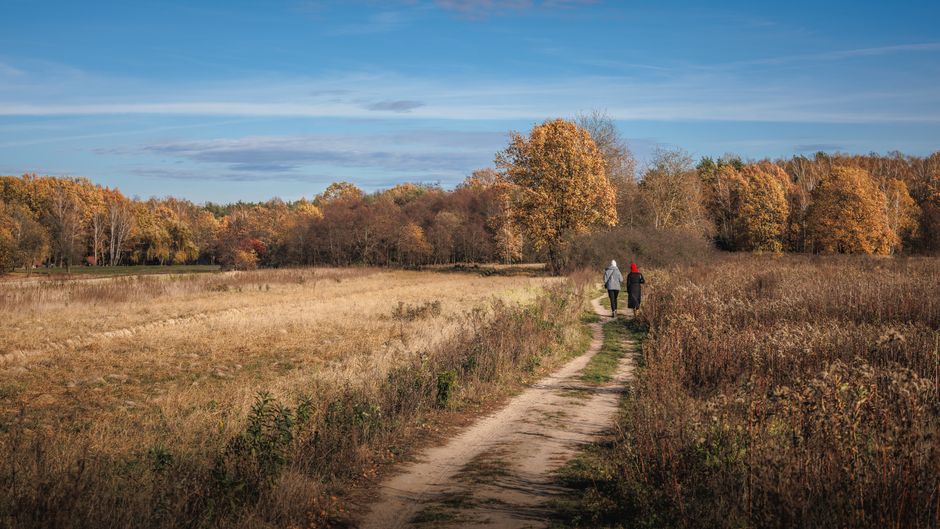
One of the great advantages of staying at a country hotel is its location. Unlike city hotels, country establishments sit within landscapes and communities worth exploring. The key is approaching exploration thoughtfully rather than trying to tick off a list of attractions.
Getting Local Knowledge
The hotel staff are invaluable resources. Ask about their favourite walks, local restaurants, or hidden spots. They know what's worth visiting, what's seasonal, and what's genuinely interesting versus merely touristy. Many hotels provide maps, guides, or printed information about the area. Use these, but also ask for personal recommendations.
Walking and Hiking
Country hotels are ideal bases for walking. Start with shorter walks to get your bearings, then venture further. Many areas have established walking routes of varying difficulty. Walking apps and websites provide detailed route information. The best discoveries often happen on less-marked paths or when you simply wander and see where you end up. Wear appropriate footwear and carry water.
Local Food and Drink
Explore beyond the hotel restaurant. Visit local pubs, tea rooms, or farm shops. These places serve locals and offer authentic food experiences. Farmers' markets, if available during your stay, showcase local produce and provide insight into the community. Many areas have food specialities worth trying—whether that's local cheeses, ales, or traditional fare.
Historic and Cultural Sites
Country locations often have castles, churches, or historic houses nearby. Many are open to visitors and offer genuine insight into regional history. Village museums, often volunteer-run, provide charming explorations of local heritage. Don't overlook small churches; many contain remarkable architecture or artwork.
Natural Attractions
Depending on location, you might explore coastlines, moorlands, forests, or countryside. Natural attractions require no admission fees and offer genuine beauty. Bring binoculars for birdwatching, or a camera for photography. Simply sitting in a beautiful spot is a valid activity.
Village Exploration
Wander through nearby villages on foot. Notice architecture, chat with locals, visit shops and cafes. Villages reveal themselves slowly; a gentle stroll reveals details that driving through misses. Visit markets, if available, or simply sit on a bench and observe local life.
Seasonal Opportunities
Different seasons offer different experiences. Spring brings wildflowers and lambs. Summer offers long days for extended exploration. Autumn brings colours and harvest festivals. Winter transforms landscapes and offers cosy indoor alternatives like museums or historic houses.
Planning Your Exploration
Balance structured activities with spontaneous exploration. Have a few must-see places in mind, but leave most of your time flexible. Bad weather shouldn't derail plans—rainy days offer opportunities for museums, cafes, or indoor attractions.
Respecting Local Communities
You're a visitor in someone's home. Respect private property, close gates behind you, and support local businesses. Taking time to understand and appreciate a place rather than simply consuming attractions creates a richer experience for you and positive relationships with communities.
The greatest value of a country hotel stay comes from genuine engagement with the surrounding area. Slow down, explore with curiosity, and allow unexpected discoveries. The best experiences often aren't planned; they're found through wandering with an open mind.