Historic Hotels in the UK: Preserving Heritage While Offering Modern Comfort
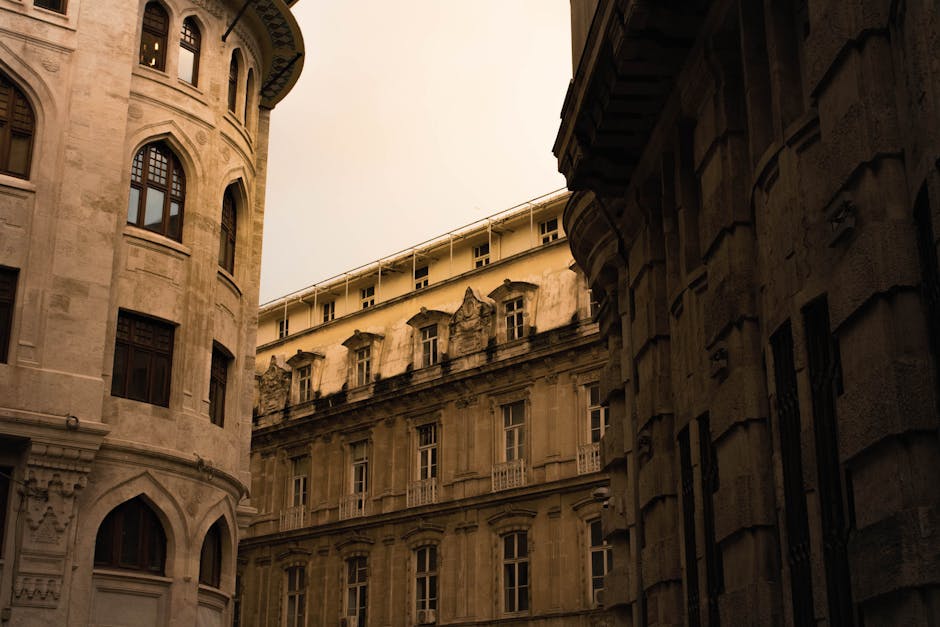
Britain is dotted with historic hotels, many occupying buildings centuries old. These establishments face a unique challenge: maintaining authentic character while providing modern comfort and facilities. This balance is what makes staying in a historic country hotel such a distinctive experience.
The Challenge of Historic Preservation
Hotels like the Castle Arms operate within constraints that modern buildings don't face. Listed building status means alterations require planning permission. Original features—whether stone walls, period windows, or traditional layouts—must be preserved. Yet guests expect functioning en-suite bathrooms, reliable heating, and adequate lighting. The skill lies in integrating modern systems without compromising heritage.
Authentic Features Worth Experiencing
When you stay at a historic hotel, you're not just booking a room; you're stepping into the past. Original fireplaces, creaking floorboards, low ceilings, and uneven walls tell stories. These quirks, which might frustrate in a modern home, become charming in a historic setting. They're reminders that the building has stood for generations.
Modern Expectations in Historic Spaces
Historic doesn't mean uncomfortable. Quality historic hotels ensure rooms are warm, beds are modern and comfortable, and bathrooms are well-appointed. WiFi, digital locks, and contemporary plumbing are invisibly integrated. The goal is to feel transported to another era without sacrificing contemporary convenience.
Why This Matters
Historic hotels preserve Britain's architectural heritage. Without viable commercial use, many historic buildings would fall into disrepair or be demolished. Hotels keep these structures maintained, accessible, and alive with activity. Every guest stay contributes to preservation.
Dining in Historic Hotels
Historic hotels often house restaurants in spaces with genuine period character. Eating in a dining room with original plasterwork or beneath historic beams creates an atmosphere no modern restaurant can replicate. Many serve traditional British fare, respecting the culinary heritage alongside the architectural heritage.
What to Expect During Your Stay
Rooms in historic hotels may vary in size and layout—original buildings weren't designed with uniform guest rooms. This variation is part of the charm. Corridors might twist unexpectedly. Ceilings might be lower in some areas. These characteristics add character and authenticity.
Supporting Conservation
When you choose a historic hotel, you're supporting conservation. Revenue from guests funds maintenance, repairs, and sensitive restoration work. You're not just enjoying a comfortable stay; you're participating in heritage preservation.
Historic hotels represent something increasingly rare: places where the past remains tangibly present. They remind us that buildings can age gracefully, that old doesn't mean obsolete, and that history and comfort aren't mutually exclusive. A stay at a historic hotel is an investment in experiencing Britain's architectural legacy.